Every plant carries two stories: what we can observe, and what generations have imagined. Spell Time Tea brings both into the cup.
☾ ✦ ☽
The Herbs
The Science
The Magic
01
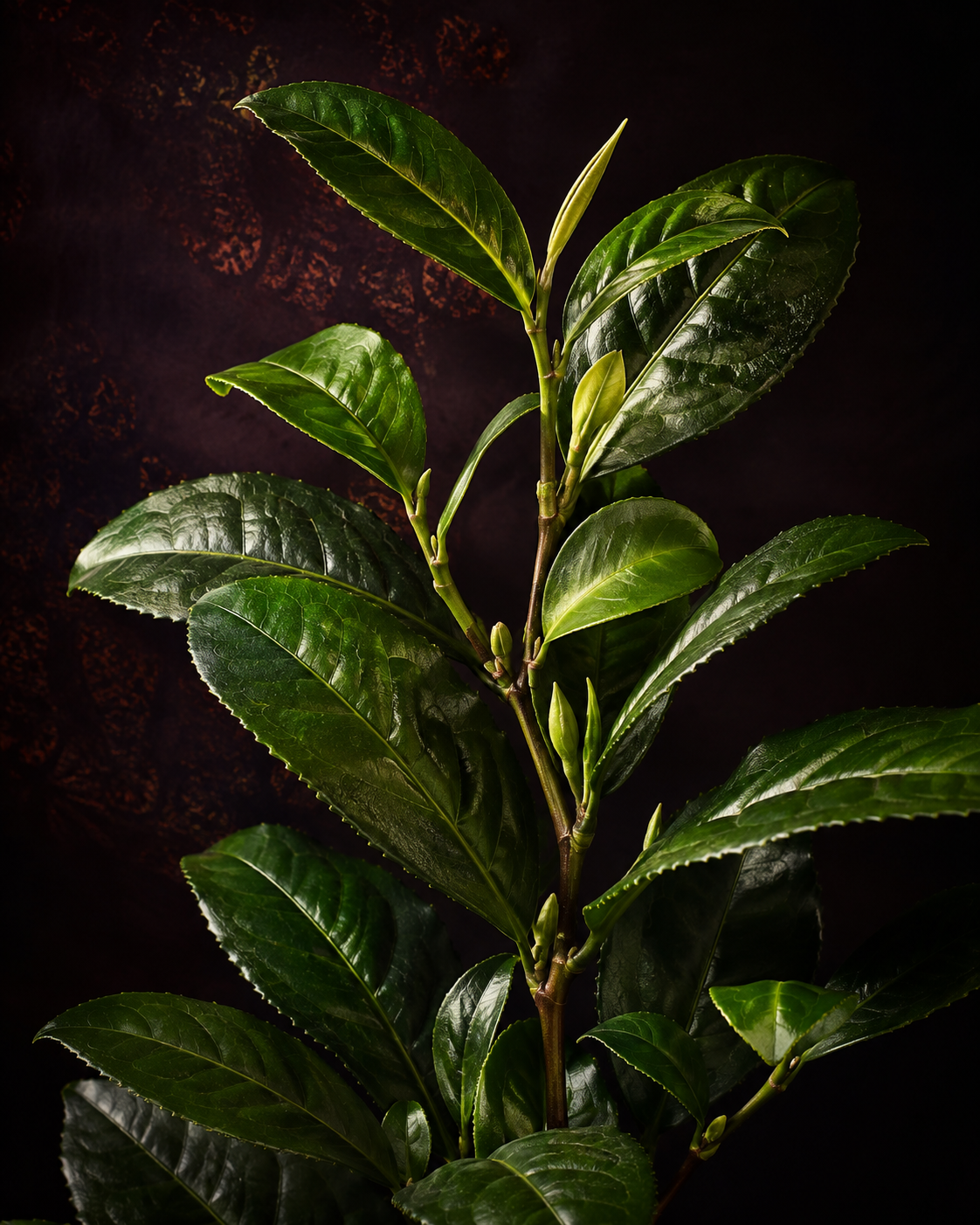
Green Tea
Camellia sinensis
The Science
Naturally pairs caffeine with L-theanine. Together they may support alertness and focused attention with a smoother character than caffeine alone. Tea catechins also contribute antioxidant polyphenols.
The Magic
Clarity, wakefulness, and clean intention. Green tea opens the ritual by helping you cross from distraction into deliberate creative attention.
✦
02
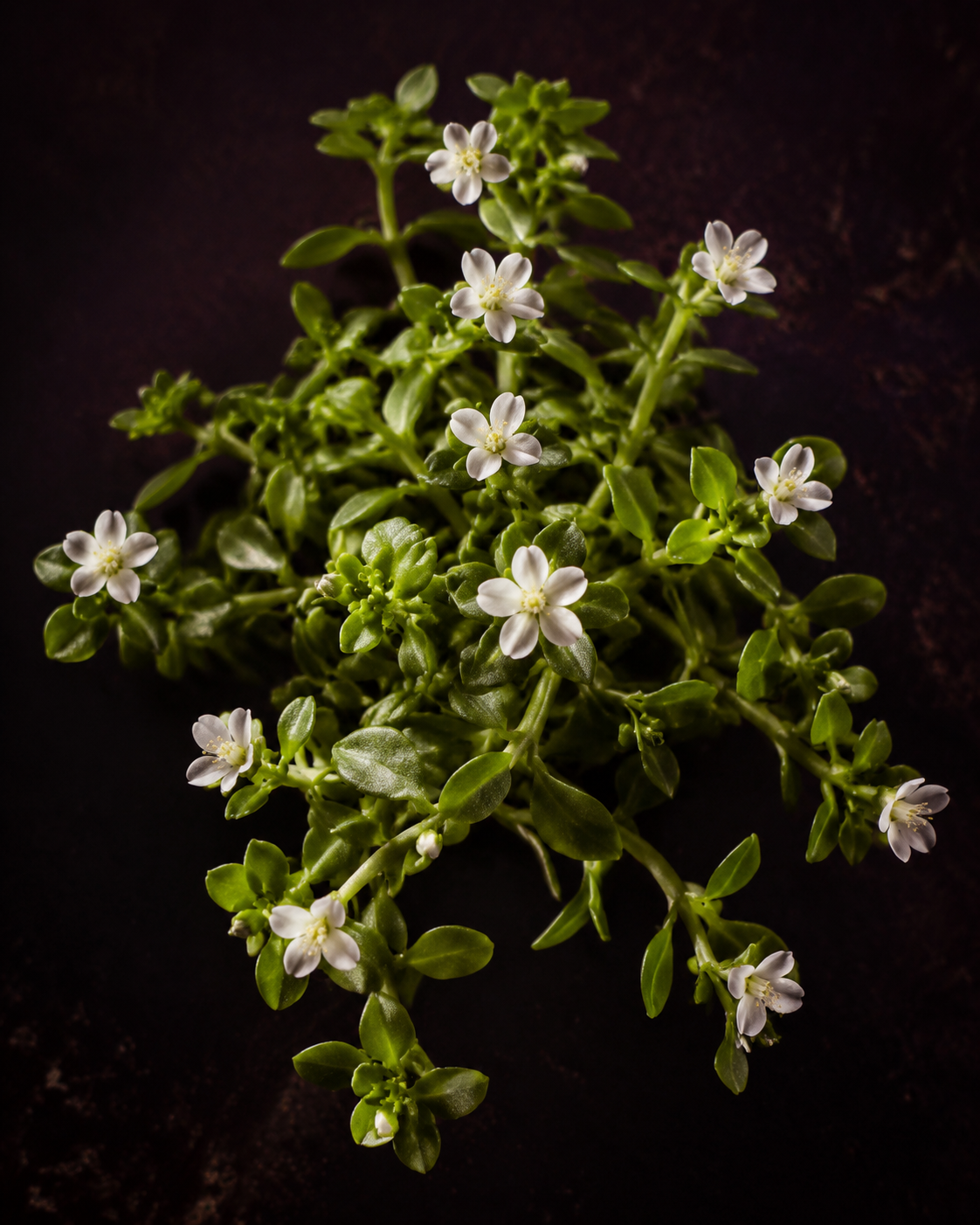
Brahmi
Bacopa monnieri
The Science
Brahmi contains bacosides. Human studies of standardized extracts suggest possible support for memory and information processing after consistent use.
The Magic
Wisdom, memory, and sacred study. Brahmi is the keeper of the thread—the herb that symbolically helps an idea remain with you long enough to become a finished work.
✦
03
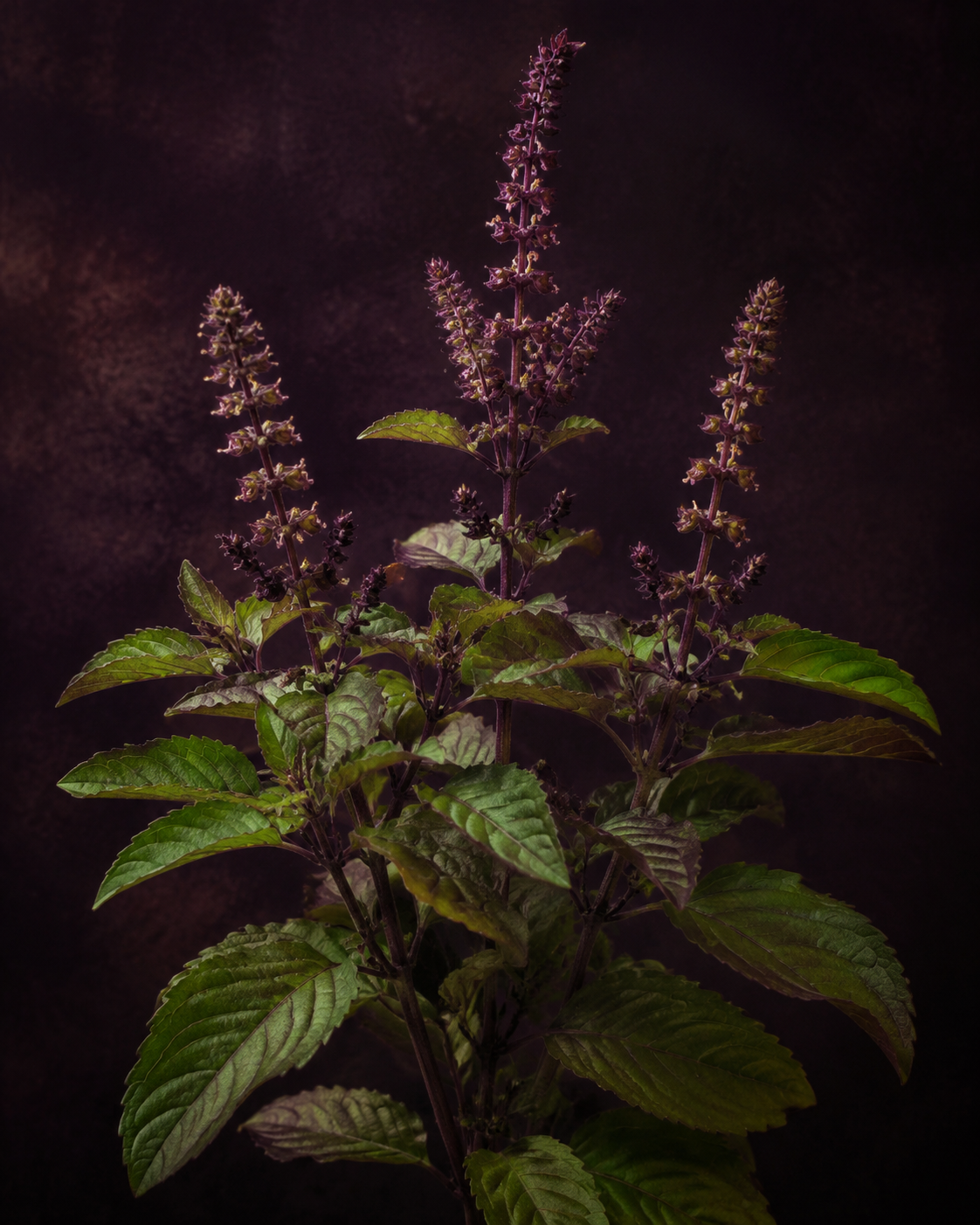
Tulsi
Ocimum tenuiflorum
The Science
Tulsi provides aromatic compounds and polyphenols. Early human research suggests potential support for perceived stress and general well-being, while its warm herbal flavor gives the blend structure.
The Magic
Purification, protection, and devotion. Tulsi marks the cup as protected ritual space—a quiet boundary around the work you are about to begin.
✦
04
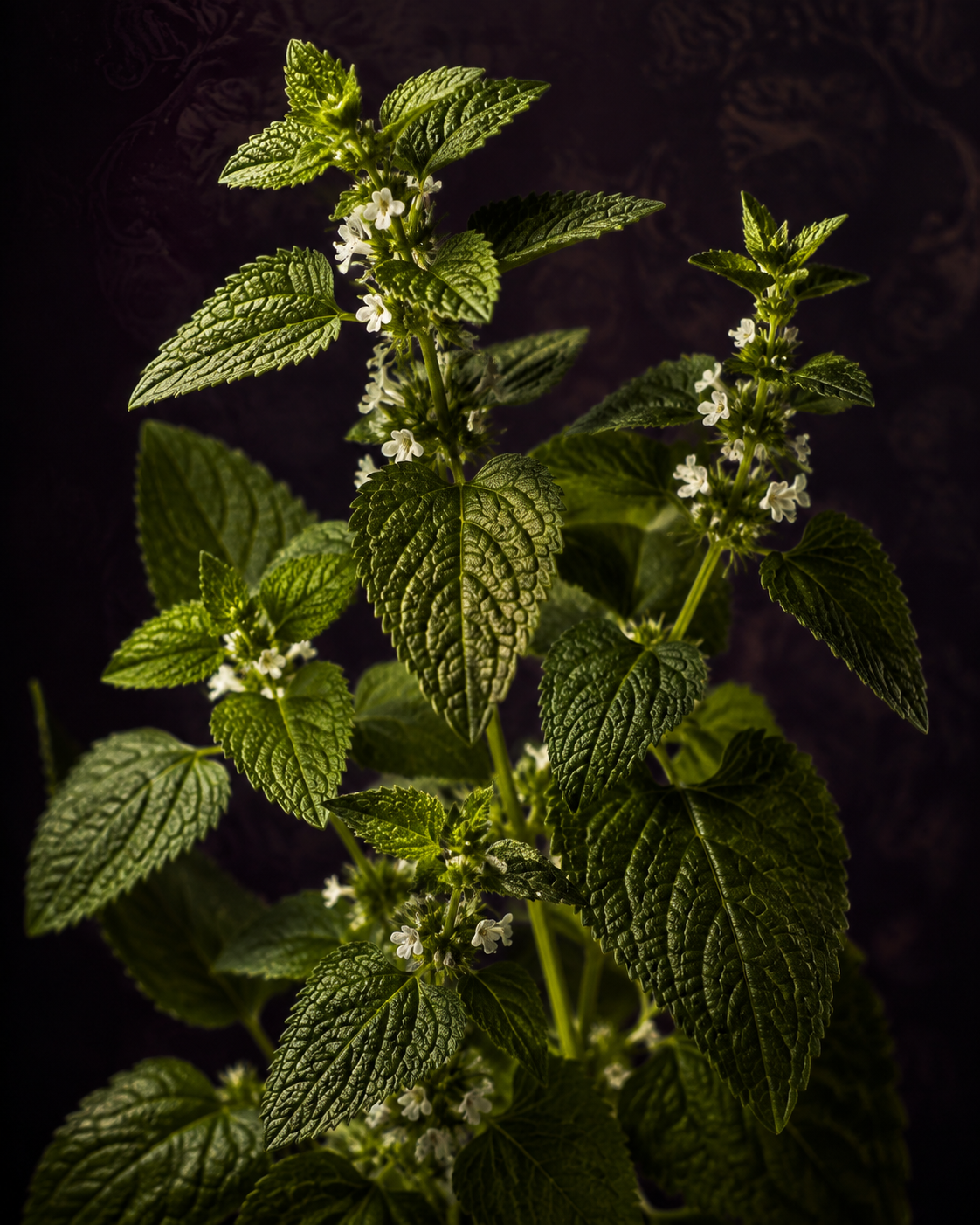
Lemon Balm
Melissa officinalis
The Science
Lemon balm contains rosmarinic acid and fragrant volatile compounds. Small studies suggest it may encourage a calmer mood; in the cup, it softens the sharper green and bitter notes.
The Magic
Peace, joy, and emotional ease. Lemon balm invites the inner critic to loosen its grip so curiosity can return to the room.
✦
05
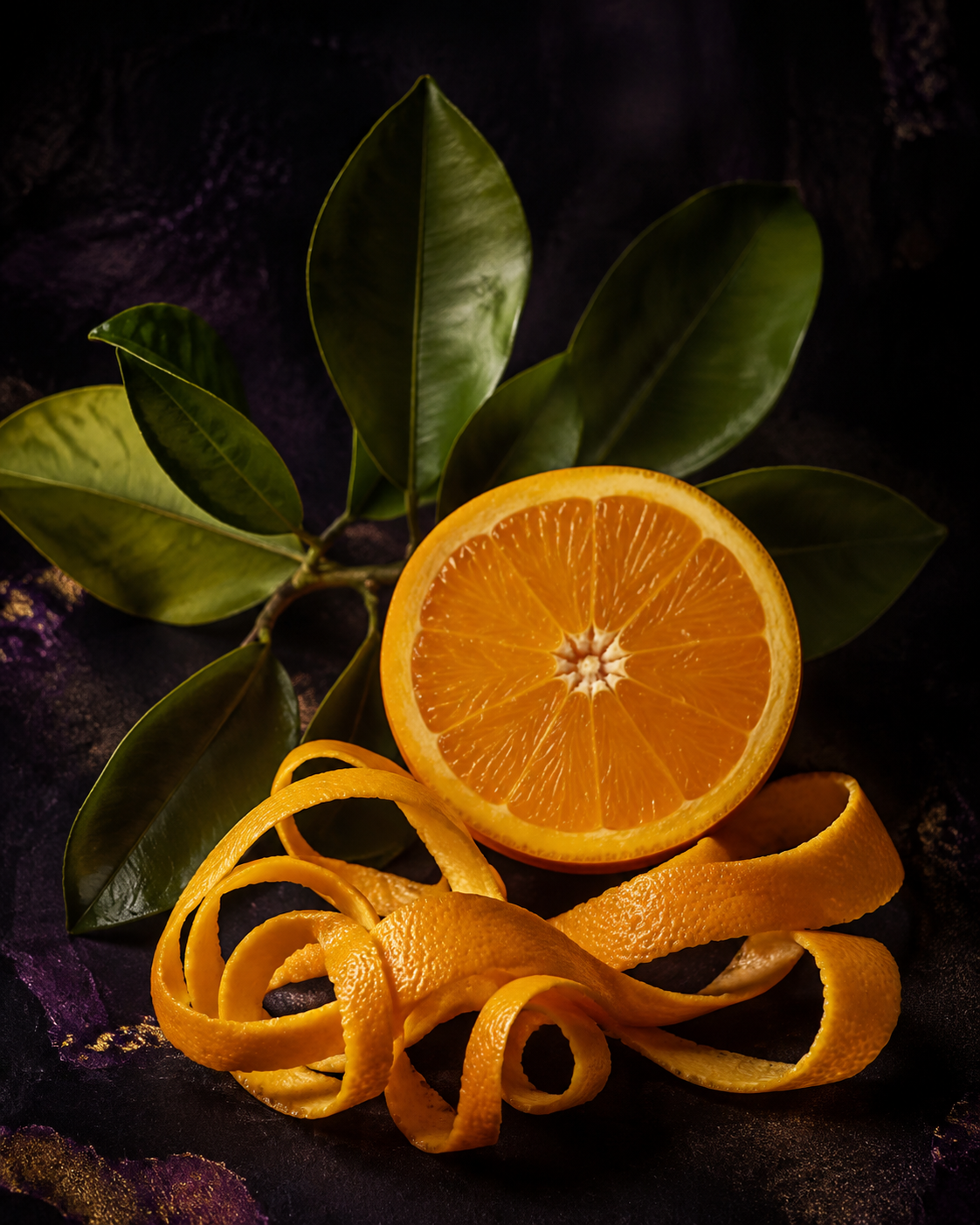
Orange Peel
Citrus sinensis
The Science
Orange peel contributes aromatic citrus oils and flavanones. Its most immediate purpose here is sensory: vivid fragrance and brightness that lift the blend and balance the earthier herbs.
The Magic
Vitality, success, and the creative spark. Orange peel brings sunlight into the grimoire—a symbolic flash of optimism, confidence, and forward motion.
✦
06
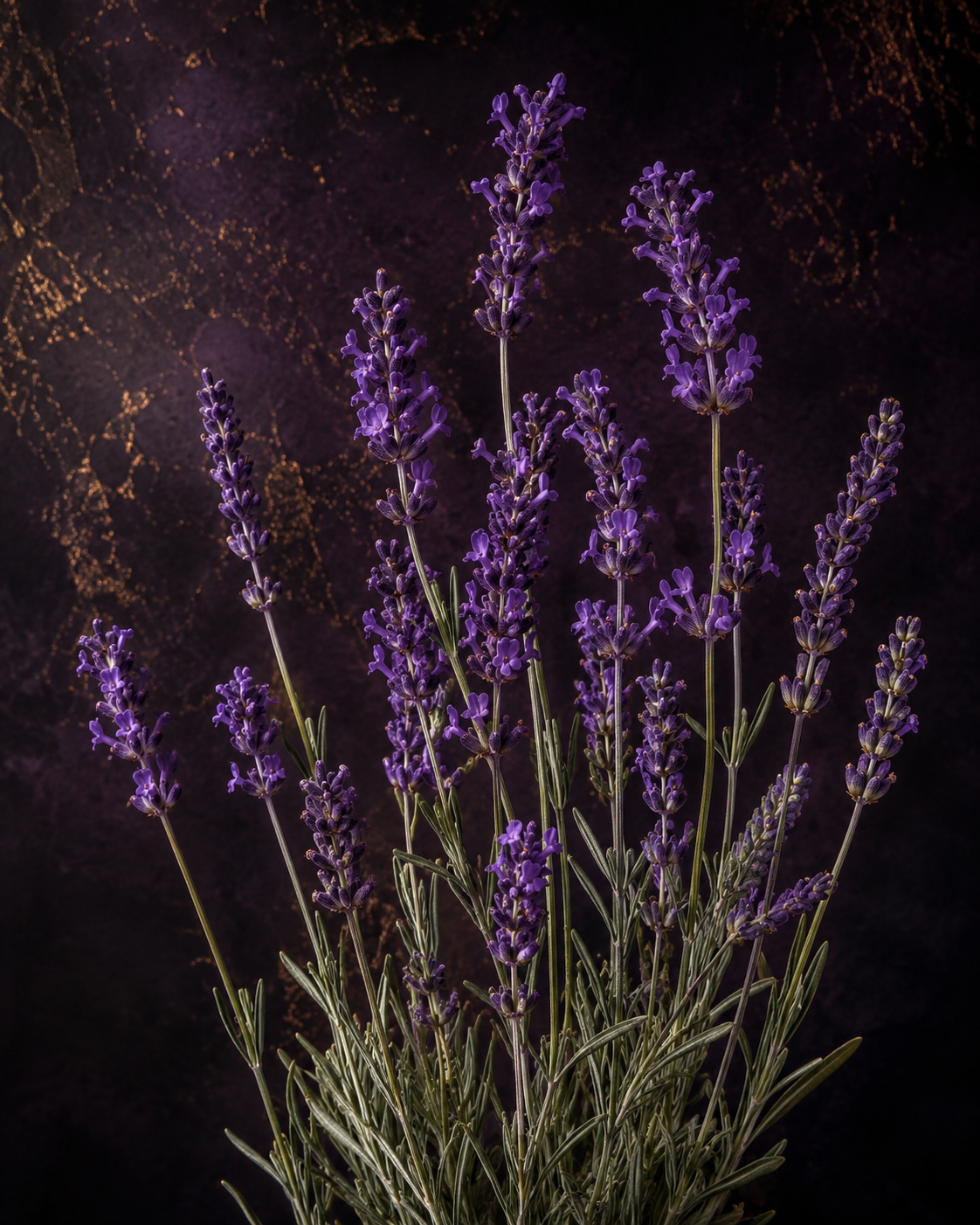
Lavender
Lavandula angustifolia
The Science
Lavender's aroma is shaped by compounds such as linalool and linalyl acetate. Research on lavender aroma and preparations suggests relaxing effects, while the flower adds a delicate floral finish.
The Magic
Calm, intuition, and peaceful vision. Lavender creates the hush before inspiration—the stillness in which subtler ideas can finally be heard.
✦
07
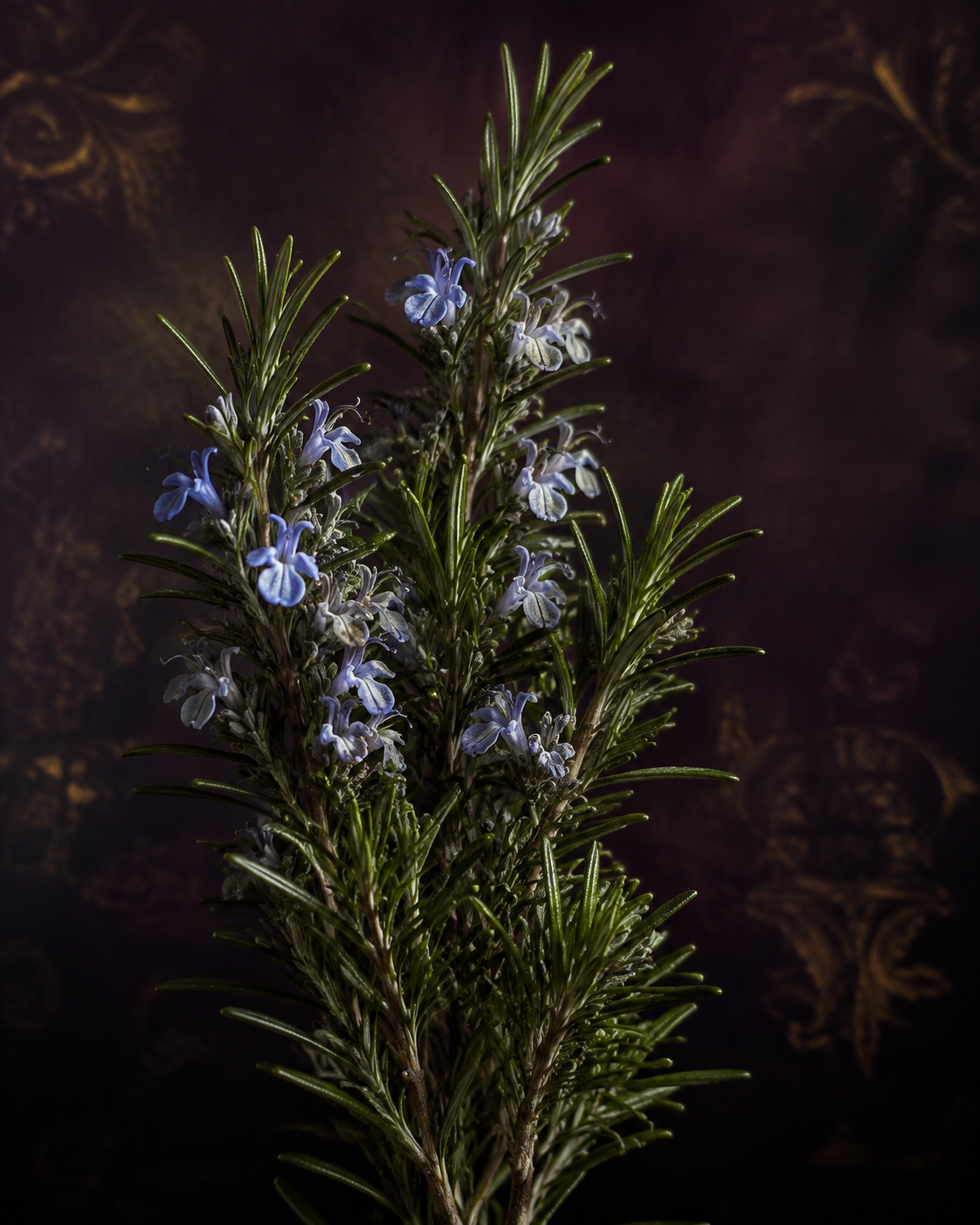
Rosemary
Salvia rosmarinus
The Science
Rosemary's volatile oils include 1,8-cineole and other aromatic compounds. Small aroma studies have explored attention and memory; in this formula it supplies a crisp, clarifying herbal note.
The Magic
Remembrance, focus, and mental protection. Rosemary guards the purpose of the ritual and calls you back whenever your attention begins to wander.
✦
08
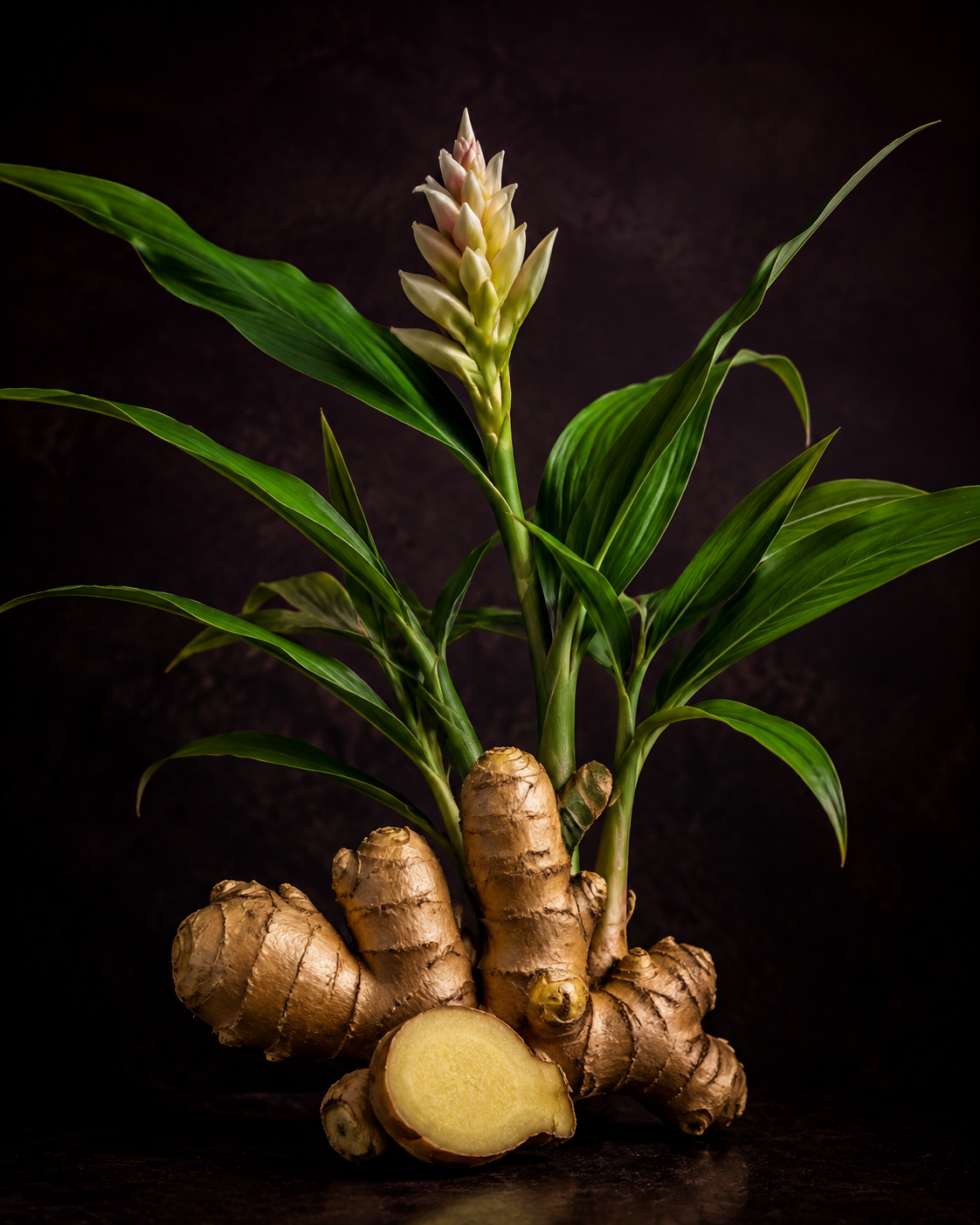
Ginger Root
Zingiber officinale
The Science
Ginger contains gingerols and related compounds and has evidence for supporting digestive comfort. In Spell Time, its practical role is also sensory: gentle warmth, lift, and a lingering finish.
The Magic
Fire, courage, and momentum. Ginger is the first step taken before certainty arrives—the spark that turns intention into action.
✦
09
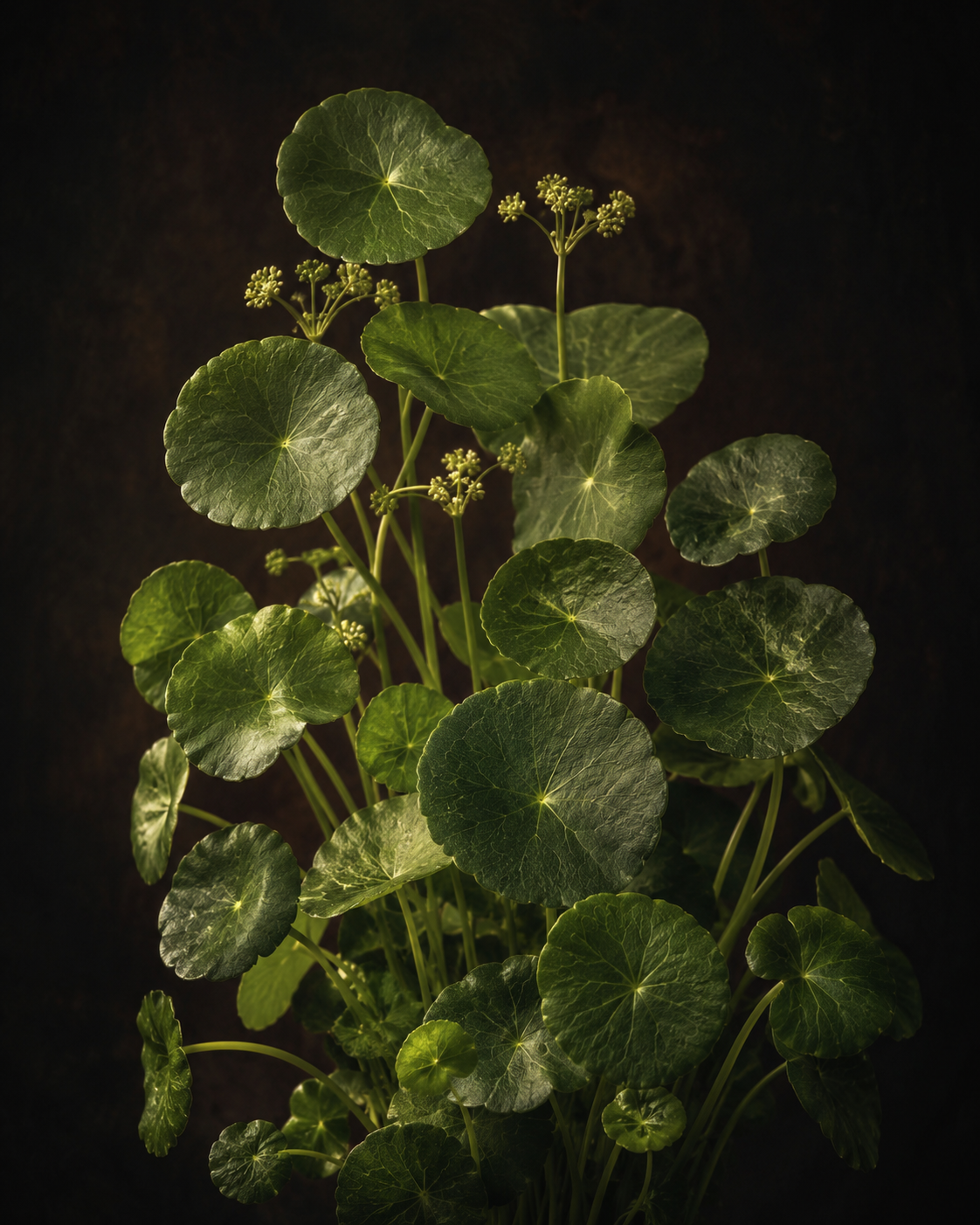
Gotu Kola
Centella asiatica
The Science
Gotu kola supplies characteristic triterpenes and has a long history of use in Asian herbal traditions. Human evidence for cognitive benefits remains limited, so its role is best understood as traditional and complementary.
The Magic
Meditation, insight, and continuity. Gotu kola symbolizes the long path of mastery—the patience to return to your craft, cup after cup and page after page.
✦
10
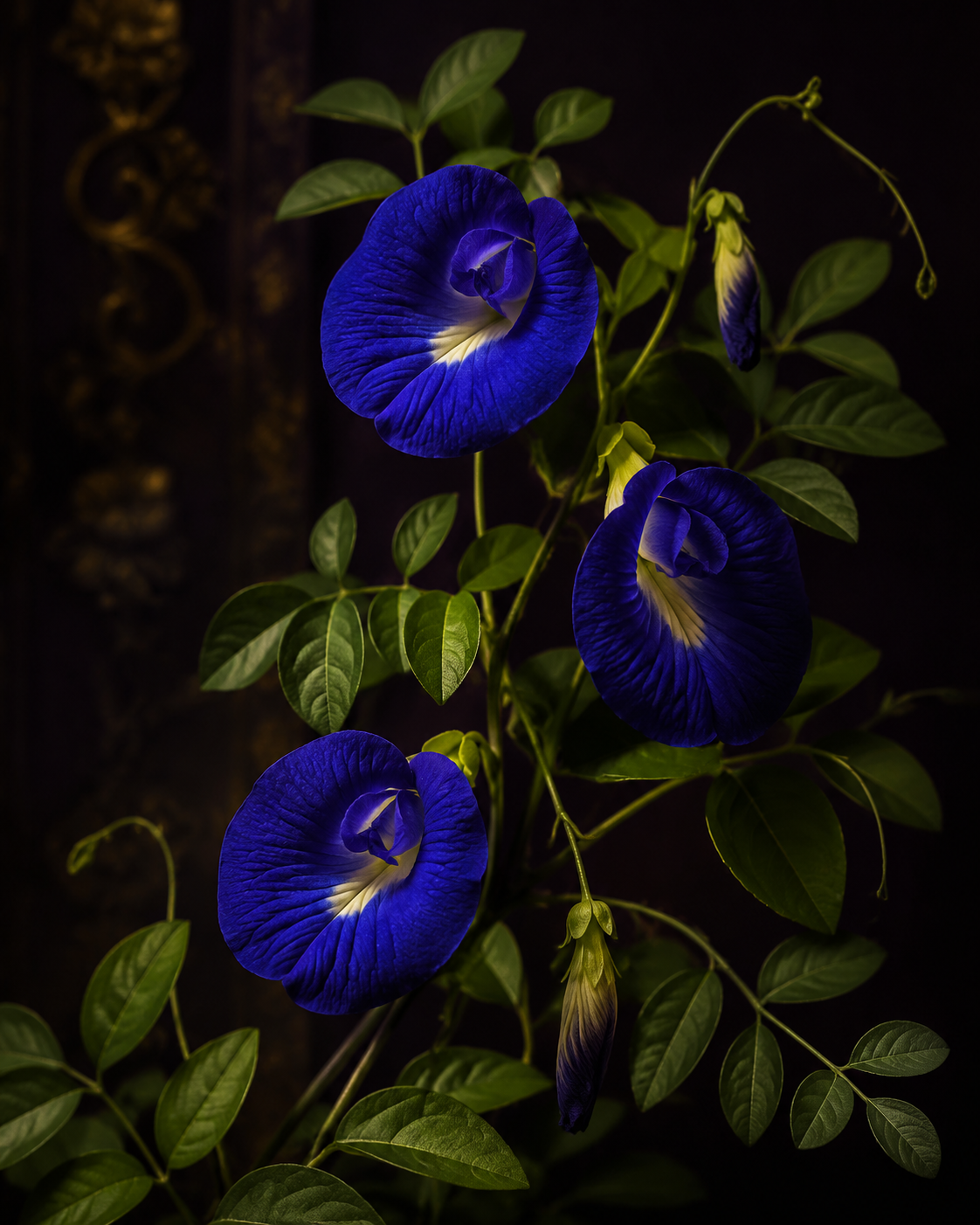
Butterfly Pea Flower
Clitoria ternatea
The Science
Its blue color comes from anthocyanin pigments called ternatins. These pigments shift toward violet when acidity is added, making the transformation visible; human evidence for cognitive effects is still preliminary.
The Magic
Transformation, intuition, and threshold magic. Butterfly pea turns the cup into a visual spell—a reminder that creative work changes both the maker and the thing being made.
✦
✦ TWO LANGUAGES. ONE CUP. ✦
“Science tells us what a plant contains. Magic asks what it might awaken.”
The science notes summarize notable compounds, sensory roles, and the current direction of research; they are not medical claims. “Magic” describes traditional folklore and the symbolic intention of the Spell Time ritual—not a guaranteed physical effect.